
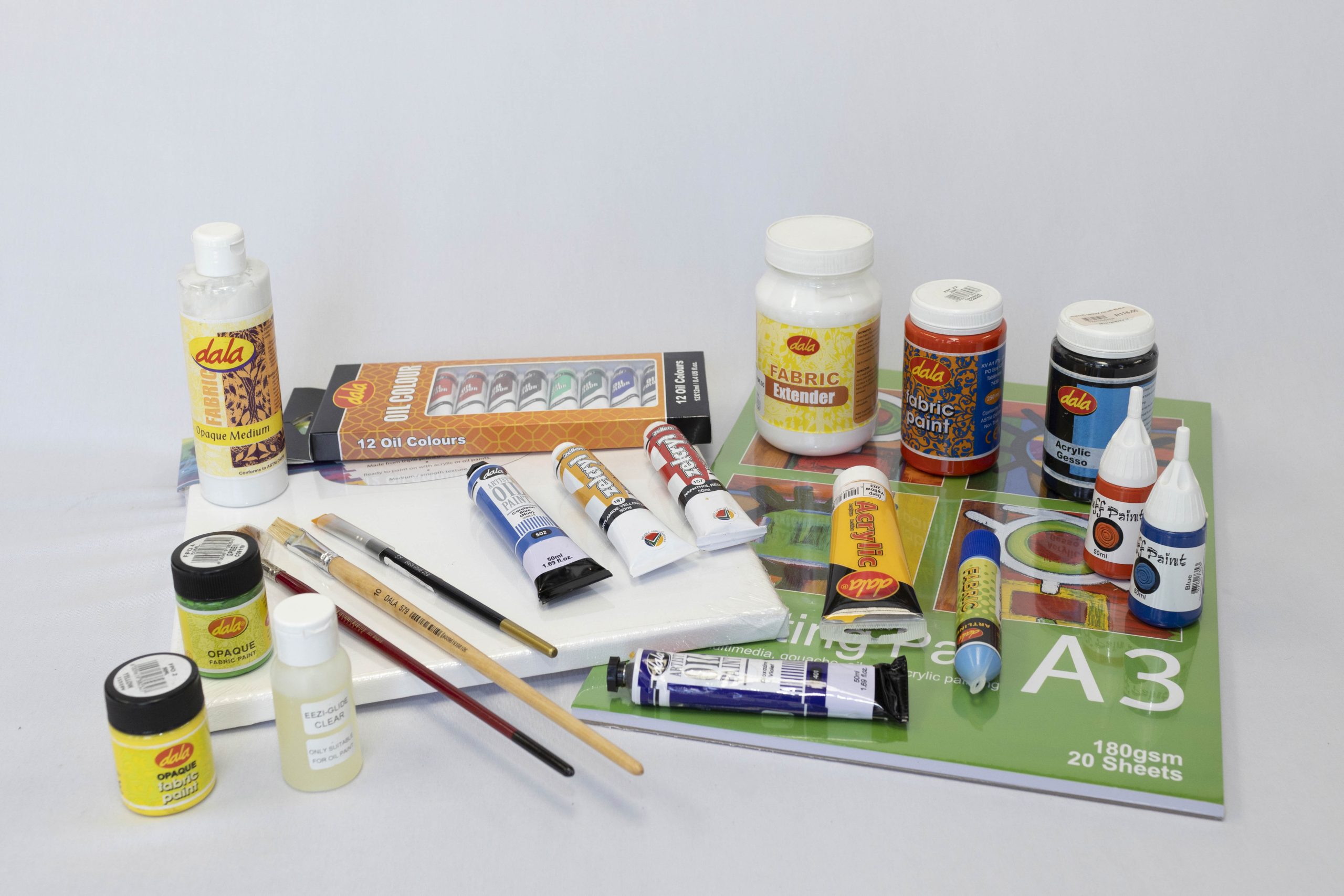
Acrylic painting has become one of the most popular and accessible art forms in the world today.
Nelmari Oosthysen, owner of A Peace of Art, says, “Whether you are a complete beginner or a seasoned creative, acrylics offer flexibility, bold colour, and exciting possibilities. At A Peace Of Art, we believe acrylic painting is a wonderful medium for exploring creativity without the intimidation that sometimes comes with traditional techniques.”
What Is Acrylic Painting?
Acrylic painting uses pigments suspended in an acrylic polymer emulsion. In simple terms, acrylic paint is water-based when wet, but becomes water-resistant and durable once dry.
“Acrylic painting is fantastic as it gives artists the best of both worlds: easy clean-up with water and a strong, long-lasting finish,” says Nelmari.
Acrylic paints are known for:
Fast drying times
Vibrant, bold colours
Versatility in texture and technique
The ability to mimic both oil and watercolour effects
Because acrylics dry quickly, artists can layer colours rapidly, making them ideal for expressive, contemporary, and experimental styles.
The Difference Between Acrylic, Oil and Watercolour Painting
Understanding the differences between the three main painting mediums helps artists choose what suits their style and goals.
Acrylic Painting
Water-based when wet
Dries quickly (often within minutes)
Becomes water-resistant once dry
Can be used thick like oils or diluted like watercolours
Minimal odour and easy clean-up
Acrylics are highly versatile and beginner-friendly, while still being powerful enough for professional artists.
Oil Painting
Oil paints use pigments mixed with drying oils, such as linseed oil.
Slow drying (can take days or weeks)
Rich colour blending and smooth transitions
Longer working time for detailed blending
Requires solvents like turpentine for clean-up
Oil painting is ideal for artists who enjoy extended blending time and classical techniques, but it requires more patience and ventilation.
Watercolour Painting
Watercolours consist of pigments suspended in a water-soluble binder.
Very fluid and transparent
Dries quickly
Relies heavily on water control
Cannot easily be corrected once applied
Watercolour painting is delicate and luminous but less forgiving than acrylic. Once the paint soaks into the paper, adjustments can be difficult. Nelmari says that acrylic painting offers a balance between control, vibrancy, flexibility, and practicality.
What Equipment Is Needed for Acrylic Painting?
One of the reasons acrylic painting is so accessible is that you do not need a large investment to begin. Here are the essentials:
- Acrylic Paints
Start with a basic colour set:
Primary colours (red, blue, yellow)
Black and white
From these, you can mix a wide range of tones.
- Brushes
A selection of synthetic brushes works best for acrylics. Consider:
Flat brushes (for bold strokes and coverage)
Round brushes (for detail work)
A larger brush for backgrounds
- Surface
Acrylic paint can be used on:
Canvas (stretched or canvas boards)
Acrylic paper
Wood panels
Pre-primed canvases are ideal for beginners.
- Palette
A plastic or disposable palette for mixing colours.
- Water Container
For rinsing brushes.
- Cloth or Paper Towels
To wipe brushes and control moisture.
Optional extras include palette knives (for texture), easels, acrylic mediums (to alter thickness or drying time), and varnish for finishing.
Guidelines for Acrylic Painting
While acrylic painting encourages experimentation, a few guidelines help achieve better results:
- Work Quickly (or Use a Retarder)
Acrylics dry fast. Mix colours before applying them and work efficiently. If you need more blending time, use a slow-drying medium.
- Layer from Thin to Thick
Start with thinner, more diluted layers and gradually build up thicker paint. This creates depth and dimension.
- Keep Brushes Clean
Because acrylic paint dries quickly, it can harden on brushes. Rinse them frequently while painting.
- Plan Your Colours
Acrylic paint tends to dry slightly darker than it appears when wet. Keep this in mind when mixing tones.
- Embrace Texture
Acrylics are perfect for texture. Use palette knives, sponges, or even unconventional tools to create interesting surfaces.
- Let Layers Dry
Allow each layer to dry before adding new details to avoid muddy colours.
- Seal Your Artwork
Once fully dry, applying a varnish protects the painting and enhances its finish.
Why Choose Acrylic Painting?
Acrylic painting is ideal for modern artists who enjoy bold expression, mixed media, and creative freedom. It is adaptable, forgiving, and suitable for almost any subject— from abstract pieces to landscapes, portraits, and decorative art.
“At A Peace Of Art, we encourage artists to explore acrylic painting as a powerful way to express emotion, creativity, and personal style. Whether you are painting for relaxation, self-expression, or professional growth, acrylics offer a dynamic and rewarding artistic journey,” concludes Nelmari.
If you have been thinking about starting your painting journey, acrylics are a perfect place to begin.
Contact and follow A Peace of Art
A Peace of Art holds regular workshops in both Port Elizabeth and Bloemfontein.
Follow them on social media to find out when the next workshop will be happening.
Facebook: @apeaceofartcreativeartsandcraftsworkshops
Instagram: @apeaceofart
Port Elizabeth: 85 Main Road, Walmer. Tel: 072 304 0797
Bloemfontein: 7 Avenham Street, Avenham. Tel: 076 192 1637
For more articles like this click here.